

(2R,3R,4R,5S,6S)-2-(Acetoxymethyl)-6-(3-(benzo[b]thiophen-2-ylmethyl)-4-fluorophenyl)tetrahydro-2H-pyran-3,4,5-triyl triacetate
- CAS
- 1034305-21-9
- Formula
- C29H29FO9S
- MW
- 572.6 g/mol
ZX-025148
Zemixal supplies 20,060 products from its impurity reference standards range to buyers in Namibia. Locally, the main users are in uranium, zinc and gold mining, fish processing and beverages and brewing. Regular consignments go to industrial centres such as Windhoek, Walvis Bay and Swakopmund. Typical customers for this division are pharma QC and analytical development labs, regulatory affairs teams and contract research organisations.
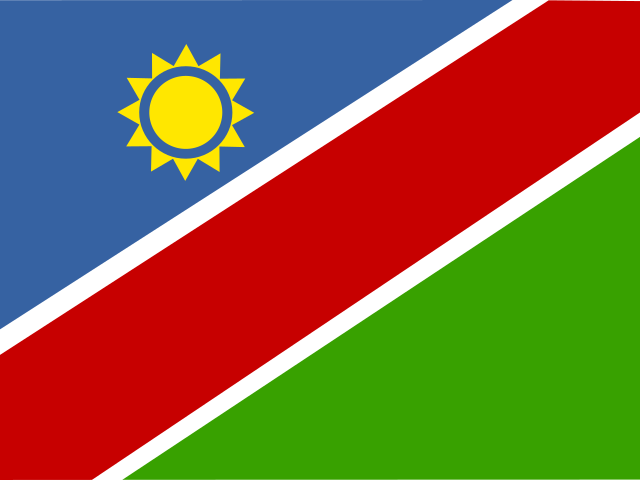 Namibia Sample products
By sea, containers and LCL lots take roughly 22–30 days to Walvis Bay and Lüderitz. Air cargo to Windhoek Hosea Kutako (WDH) takes 4–6 days, which suits small and urgent packs. The relevant authority is NMRC (Namibia Medicines Regulatory Council). Our export desk lines up the COA, GHS SDS and shipping documents to match. Common grades for this division are Impurity reference standard with characterisation data, Secondary / working standard, Stable-isotope labelled standard and Nitrosamine (NDSRI) standard.
| Authority | NMRC (Namibia Medicines Regulatory Council) |
|---|---|
| Seaports | Walvis Bay, Lüderitz |
| Airports | Windhoek Hosea Kutako (WDH) |
| Dangerous goods | IMDG by sea, IATA DGR by air |
Namibia is a SACU member, and imports are cleared through Namibia Revenue Agency customs. The Namibia Medicines Regulatory Council (NMRC) registers medicines and issues import permits for APIs. Hazardous substances may require permits under environmental and health legislation, with the NSI covering standards. If cargo landed at Walvis Bay is in transit to Zambia, Botswana or the DRC, state this at quotation stage so the documents reflect it. Dangerous goods follow IMDG or IATA rules.
Price, pack sizes, Incoterm and the paperwork list are confirmed in writing.
Stock items are packed in UN-rated drums or cartons. Made-to-order material adds its own lead time.
Shipping bill filed, dangerous goods declared under IMDG where needed.
Port-to-port time depends on the vessel schedule and any transhipment.
Your broker clears the goods against local rules. Chemical oversight: Ministry of Environment, Forestry and Tourism / NSI.
Indicative total by sea: 29–47 days
By air: about 8–16 days in total.
A rotating sample from the division. Every product in the catalogue can be quoted for this destination.
Type a name, CAS number, formula or ZX number.


 Egypt
 Kenya
 Nigeria
 South Africa
 Algeria
 Côte d'Ivoire
 Ethiopia
 Ghana
 Mauritius
 Morocco