
HPLC & GC Solvents supply to Denmark
Buyers in Denmark can order any of the 590 products in our solvents (HPLC & GC) division. Demand there comes mainly from insulin & diabetes care, industrial enzymes & fermentation and biotech & life-science research. Regular consignments go to industrial centres such as Greater Copenhagen / Medicon Valley, Kalundborg and Aarhus. Typical customers for this division are pharma QC and analytical labs, API and intermediate manufacturers and contract research organisations.
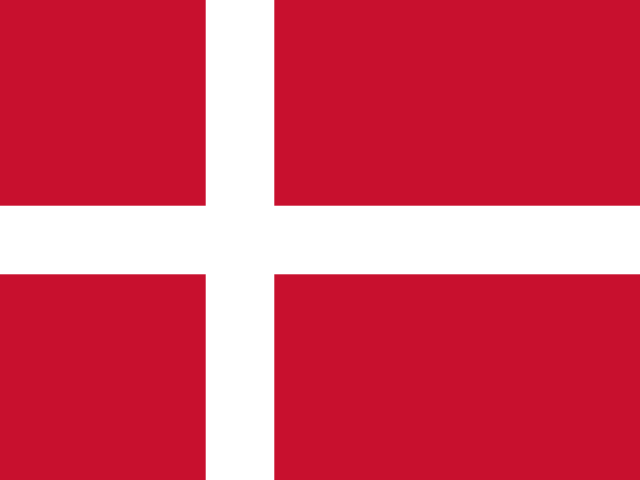 Denmark Sample products
Supplying solvents (HPLC & GC) to Denmark
By sea, containers and LCL lots take roughly 26–34 days to Aarhus and Copenhagen. Air cargo to Copenhagen (CPH) takes 3–5 days, which suits small and urgent packs. The relevant authority is ECHA (EU REACH & CLP). Our export desk lines up the COA, GHS SDS and shipping documents to match. Common grades for this division are HPLC / gradient grade, LC-MS grade, Spectroscopy (UV/IR) grade and GC / headspace grade.
Grades in this division
Chemical compliance in Denmark
| Authority | ECHA (EU REACH & CLP) |
|---|---|
| Seaports | Aarhus, Copenhagen, Fredericia |
| Airports | Copenhagen (CPH), Billund (BLL) |
| Dangerous goods | IMDG by sea, IATA DGR by air |
Danish imports fall under EU REACH and CLP. At 1 tonne or more per year, a substance must be registered by the EU importer or by an Only Representative appointed by the Indian maker. Labels and SDS must be in Danish. Active substances for medicines need GMP compliance and an EU written confirmation, and the Danish Medicines Agency supervises authorised importers. Dangerous goods are packed and declared under IMDG or IATA DGR, and the importer's EORI number is needed for customs.
From order to delivery
- 1–2 daysQuote and document set agreed
Price, pack sizes, Incoterm and the paperwork list are confirmed in writing.
- 3–7 daysPacking for export
Stock items are packed in UN-rated drums or cartons. Made-to-order material adds its own lead time.
- 1–3 daysExport clearance at Nhava Sheva or Mundra
Shipping bill filed, dangerous goods declared under IMDG where needed.
- 26–34 daysOcean transit to Aarhus
Port-to-port time depends on the vessel schedule and any transhipment.
- 2–5 daysImport clearance
Your broker clears the goods against local rules. Chemical oversight: ECHA (EU REACH & CLP).
Indicative total by sea: 33–51 days
By air: about 7–15 days in total.
Documents for Denmark
- Commercial Invoice
- Packing List
- Bill of Lading / Air Waybill
- Certificate of Origin
- Certificate of Analysis (COA)
- Safety Data Sheet (16-section GHS)
- REACH registration number or OR declaration (substances ≥1 t/yr)
- EU Written Confirmation for API imports (Art. 46b Directive 2001/83/EC)
- Dangerous Goods Declaration (IMDG/IATA) where applicable
- Importer's EORI number
A selection we ship to Denmark
A rotating sample from the division. Every product in the catalogue can be quoted for this destination.


 Belgium
 France
 Germany
 Ireland
 Italy
 Netherlands
 Poland
 Spain
 Switzerland
 Turkey